


GREENCYCLE
SLEEP IN RECYCLED MATTRESSES AND PROTECT THE ENVIRONMENT!

SLEEP IN RECYCLED MATTRESSES AND PROTECT THE ENVIRONMENT!
GREENCYCLE

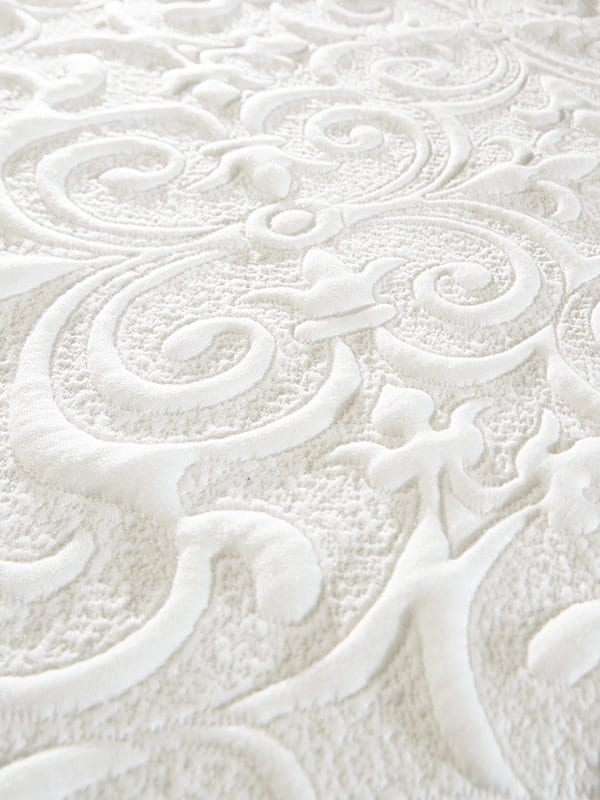
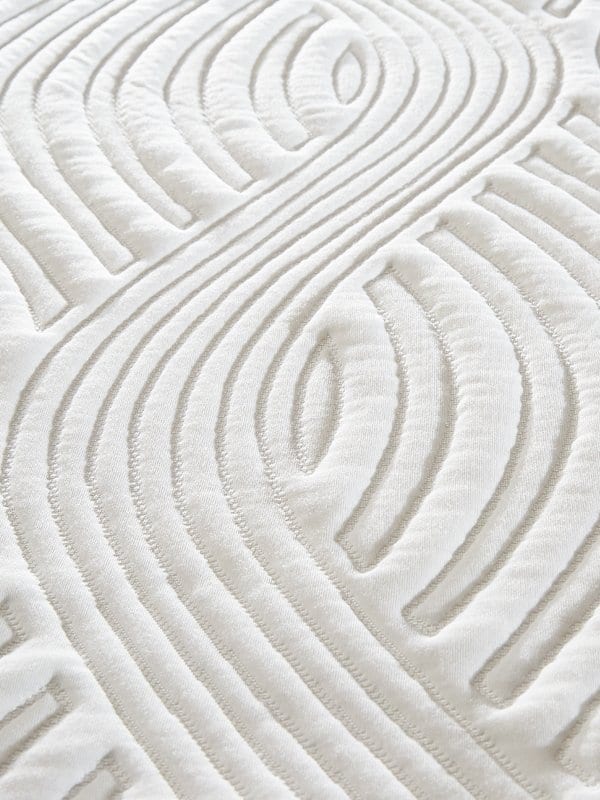
AYDIN shows its love for the environment by using recycled plastic waste to produce mattress ticking. This protects the environment and its natural resources while also producing valued goods.


PRODUCT PHILOSOPHY
Our 4.5-billion-year-old planet Earth has the most suitable living conditions amongst the planets and is home to more than seven billion people today (some 110 billion to date). However, when we produce goods and services to meet the physical, social and cultural needs of this vast population, we are also consuming precious natural resources. More and more resources are required to serve this ever-growing population, and these resources now face extinction.
HISTORY OF RECYCLING
Recycling has historically played an important role for environmental and economic reasons. As proof, it was once common practice to melt down metal objects, such as swords and pots, to produce new objects. We can give a similar example from World War II. Due to raw material shortages and economic hardships numerous campaigns were run to promote recycling. When we recycle one ton of used paper waste, we save 16 fully grown pine trees and 85 square meters of forest from destruction.
When we recycle one ton of plastic packaging waste, we save 14,000 kWh of energy.
When we recycle one ton of glass waste, we save approximately 100 liters of gasoline.
When we recycle one ton of metal waste, we save 1,300 kg of raw materials.
Recyclable aluminum uses 35 percent less energy than it takes to produce aluminum from scratch.
Using recycled paper in paper production reduces air pollution by 74–94 percent, water pollution by 35 percent, and water use by 45 percent.
AYDIN SHOWS ITS LOVE FOR THE ENVIRONMENT BY SUPPORTING ENVIRONMENTALLY-FRIENDLY PRODUCTION!
AYDIN uses the power of recycling to protect the environment. It utilizes recycled plastic waste to produce new fibers, which are then used to produce mattress fabric. This protects the environment and its natural resources while also producing valued goods.
BENEFITS OF GREENCYCLE

It reduces the number of landfills.

It supports energy savings

It contributes to the economy

It reduces the greenhouse effect and global warming by lowering carbon emissions
BENEFITS OF GREENCYCLE
It reduces the number of landfills.
It supports energy savings
It contributes to the economy
It reduces the greenhouse effect and global warming by lowering carbon emissions
MARKETING MATERIALS

Brochure

Poster

Roll-Up

Video
GET HELP WITH YOUR MARKETING PLAN TODAY!
Contact us today to talk how to expand your business using our marketing solutions.


